Nonprofit Educational Initiative
Exploring the untapped power of Section 505 in the Bankruptcy Code to bring swift and lawful tax relief — freely shared with the legal community.

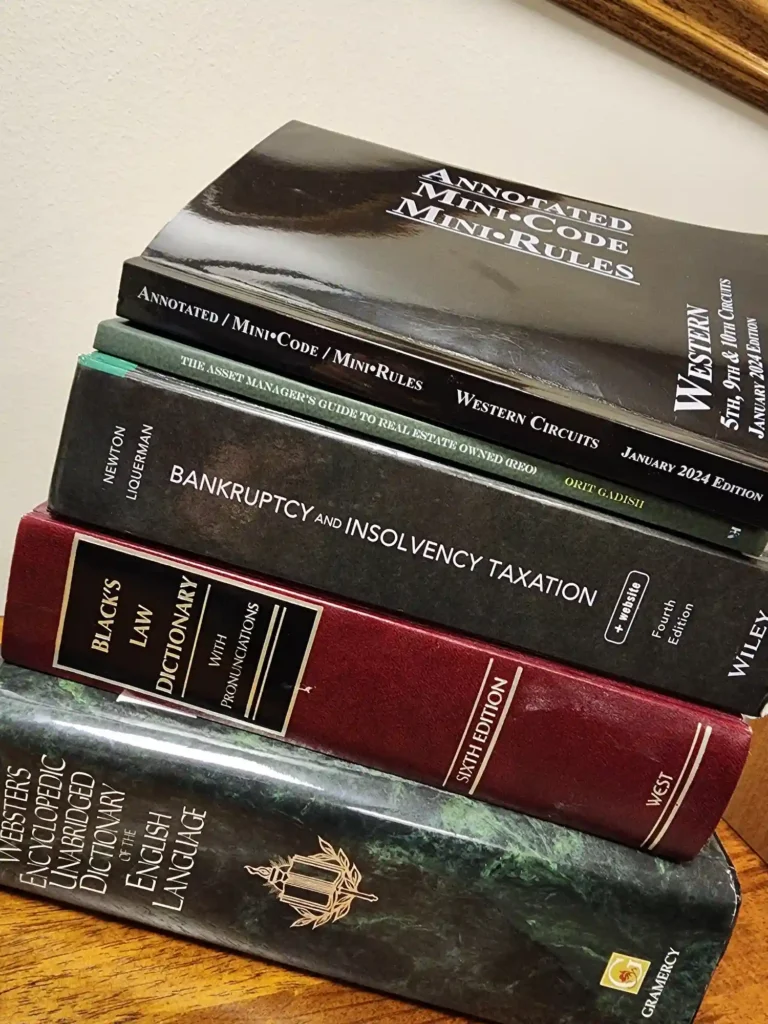
We aim to unite bankruptcy and tax attorneys in discovering how 11 U.S.C. § 505 can be used to provide real relief to clients while creating meaningful case law for future practitioners.
It's one of the most overlooked sections in bankruptcy law. Few tax professionals know it exists, and even fewer bankruptcy attorneys have used it strategically. The 505 Project is working to prove its potential by finding and documenting cases that can establish precedent and make the law work better for everyone.
Everything shared on this site — research, discussions, and educational materials — is completely free. Our mission is to spread awareness and encourage collaboration, not to monetize this information.
Get InvolvedA bankruptcy code provision that grants courts significant authority over tax-related matters — enabling faster, fairer outcomes for debtors and trustees.
Section 505 allows a bankruptcy court to determine “the amount or legality of any tax, any fine or penalty relating to a tax, or any addition to tax” — whether the taxes were previously assessed, paid, or contested.
A trustee can request a prompt tax audit of returns filed during bankruptcy administration. Tax authorities have 60 days to respond and 180 days to complete their examination. Once resolved, the trustee, debtor, and successors are discharged from further liability for those taxes.
Combined with Section 553 offset rights, this creates a powerful mechanism for resolving government-backed loan disputes — including SBA and USDA loans — within 120 days on ERC claims over $250,000.
Tax attorneys look in the Tax Code; bankruptcy attorneys avoid tax disputes. Section 505 sits at the intersection — and falls through the cracks.
Confirmation hearings can coincide with IRS complaint response deadlines, establishing the lawsuit as a core matter central to the reorganization plan.
Millions of taxpayers await pandemic-era relief. Section 553 offsets can resolve SBA/USDA loans within 120 days — far faster than waiting for the IRS backlog.
By coupling §505 and §553, government-backed loan holders entitled to IRS refunds can have their debts offset — protecting both borrower and taxpayer.
Whether you’re an attorney, judge, banker, or financial professional — there’s a place for you in this work.
Bring Section 505 education to your bar association, CLE event, or firm meeting. James delivers clear, practical sessions that give attorneys the tools to use this statute for their clients.
Connect your bank’s special assets managers and loan officers with the Section 505 strategies that protect government-backed lending portfolios and serve borrowers waiting on ERC funds.
We are actively identifying and preparing real cases to build legal precedent for Section 505 applications. If you have a qualifying matter, let’s work together to develop it into a test case.

Where We Work
Located in Utah Valley, surrounded by the Wasatch Mountains — the home base of Gee Hashimoto Advisory and The 505 Project.

CPA, MAcc, CIRA, CFE
Co-Founder, Gee Hashimoto Advisory · Former Sr. Auditor/Analyst, U.S. Trustee Program (Retired)
James M. Gee is an experienced authority in insolvency taxation, forensic accounting, and the intersection of tax law and federal bankruptcy law. He is one of the nation's foremost experts on Subchapter V and the practical application of 11 U.S.C. § 505.
He began his career at Arthur Andersen LLP, served as a Congressional Tax Fellow under Senator Orrin G. Hatch, and spent 23 years with the U.S. Trustee Program under the Department of Justice — serving first in the Western District of Washington. He holds a Master of Accountancy in Taxation from Brigham Young University and passed the CFE exam in its entirety on his first attempt in May 2007.
Prior to retiring from the USTP on September 30, 2025, James discussed the concepts and legal strategies of The 505 Project with key personnel at the USTP, including its Chief Criminal Coordinator and fellow auditors and analysts nationwide.
The 505 Project is his effort to give the legal and financial community the education they need to use §505 — freely, openly, and now.
Everything attorneys, trustees, and financial professionals ask us most.
Whether you want James to speak at your event, discuss a potential case, or simply learn more about Section 505 — we’d love to hear from you. All inquiries are welcome.
Available for speaking engagements & case consultations